
Hear the full discussion
From 1:40 in Wednesday’s episode of Nick Luck Daily. Press play to start at the discussion.
Racing may have escaped the worst of next week’s Budget, but the sport’s sharpest observers have warned that a smaller rise in machine gaming duty should not be mistaken for good news.
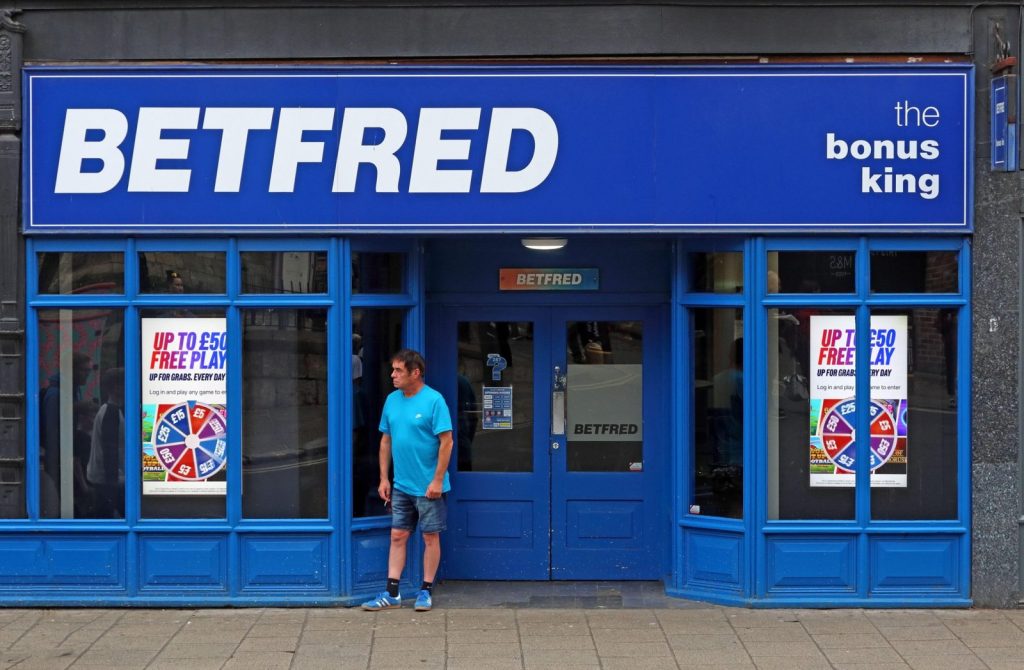
The Times’ chief sports writer Matt Lawton reported overnight that Treasury sources expect the duty on betting shop gaming machines to rise from 20% to 25% when Chancellor John Healey delivers his first Budget on 28 October, rather than the doubling to 40% that the gambling and racing industries had feared. The higher rate had been pushed by the Social Market Foundation, former Prime Minister Gordon Brown and a group of 90 Labour MPs.
‘Plausible’, but not a done deal
Dan Waugh of gambling consultancy Regulus Partners told Nick Luck the figure was credible. “I’ve got no inside track there, but I think it’s plausible,” he said. “Officials at the Treasury tend to be fairly sober and prudent, and they would know that pushing the tax anywhere above 30% could have consequences that they would have no idea of. So if they wanted to raise a little bit of money, then pushing it to 25% is the prudent course of action.”
He cautioned that ministers can still overrule officials. “I wouldn’t suggest that 25% is necessarily a done deal,” he said. “Often these things go down to the wire.”
“Raising tax is not a good thing. We will see betting shops closed, and we will see funding to racing diminish as a result.”
Dan Waugh, Regulus Partners
Waugh was clear that 25% “ought not to be seen as good news”. “It’s better than feared,” he said. “But the danger is that the anti-gambling lobbyists claim that it should have gone to 40% and that pernicious industry lobbying has prevented that. The danger is also that racing and betting think they’ve got away with it.”
Asked whether racing risked becoming a Trojan horse for the betting industry’s lobbying, Waugh said: “Racing absolutely shouldn’t be anyone’s Trojan horse. It should defend its own interests, and the interests of those who enjoy betting on racing and going to races.” But he warned that the sport’s reliance on gambling revenue is unlikely to change, and that “the anti-gambling lobby wants rid of the lot of it”.
‘Racing is getting better at politics’
The Racing Post’s senior writer Lee Mottershead agreed with Waugh’s analysis, and said he would be surprised if Lawton was wide of the mark. “It’s not good news, but it is good news set against the backdrop that for a long time there was a feeling that the doubling to 40% was probably an odds-on shot,” he said. “The Treasury doesn’t do emotion, it just does numbers. It will have looked at the projections for betting shop closures at 40%, and come up with what it believes to be a sweet spot of 25%.”
Mottershead credited the sport’s lobbying. “I think racing is getting better at politics,” he said. “The BHA was very strong on this and key racing figures have been vocal. Racing’s position on this one has been extremely helpful, obviously to racing, but also to bookmakers.”
He added that a 25% rate would also give the government an answer to its own backbenchers. “You can say to those 90 Labour MPs: listen, we heard you, but the numbers just don’t add up at 40%.”
The rise would still cost racing several million pounds in the short to medium term, Nick Luck noted. Mottershead said the best both sides could now hope for was calm. “What the betting industry needs now, and what the racing industry needs now, is a period of stability on the tax front.”